Why Does Digestion Get Worse After 30? (Causes + Natural Fixes)
What Is Happening in Your Body
After 30, your body produces fewer digestive enzymes. Stomach acid (HCl) levels decline by roughly 1% per year. The gut microbiome becomes less diverse as processed food consumption increases and fermented food consumption decreases.
These changes are gradual — often taking years before symptoms become noticeable. But once they start, they tend to compound. Poor digestion affects nutrient absorption, which affects energy, immunity, skin health, and even mental clarity.
Digestive problems are among the most common health complaints in India, with over 60% of adults reporting frequent bloating or acidity.
Symptoms of Declining Digestive Health
- Bloating after meals, especially lunch and dinner
- Acid reflux, heartburn, or sour taste in the mouth
- Irregular bowel movements — alternating constipation and loose stools
- Feeling heavy even after eating light meals
- Excessive gas and flatulence
- Skin breakouts and dull complexion
- Fatigue after eating (food should give energy, not take it)
Common Causes
- More processed foods in daily diet — packaged namkeen, instant noodles, refined flour products
- Less fermented foods — traditional pickles, kanji, and home-set curd replaced by store-bought alternatives
- Antibiotic overuse — disrupts gut bacteria balance for months after a course
- Irregular meal timing — skipping breakfast, eating late dinners past 9 PM
- Refined cooking oils — vegetable oils high in omega-6 fatty acids promote gut inflammation
- Chronic stress — the gut-brain axis means stress directly impairs digestion
Natural Solutions That Work
A2 Ghee
Unlike processed cooking oils, A2 ghee contains butyric acid — a short-chain fatty acid that feeds beneficial gut bacteria and strengthens the intestinal lining. It's one of the best natural sources of gut-healing fat.
Moringa
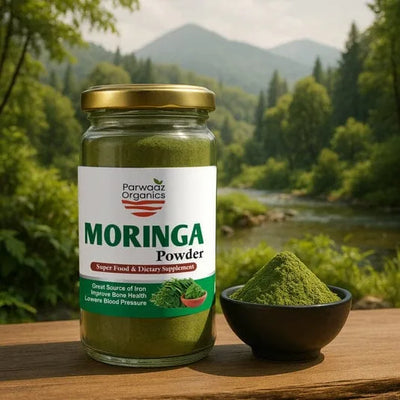
Rich in fibre and anti-inflammatory compounds, moringa supports healthy bowel movements and reduces gut inflammation. Its prebiotic properties feed beneficial bacteria.
Millets
Ragi, jowar, and bajra are prebiotic-rich — they feed the good bacteria in your gut. Replacing white rice with millets even twice a week makes a measurable difference.
Raw Honey
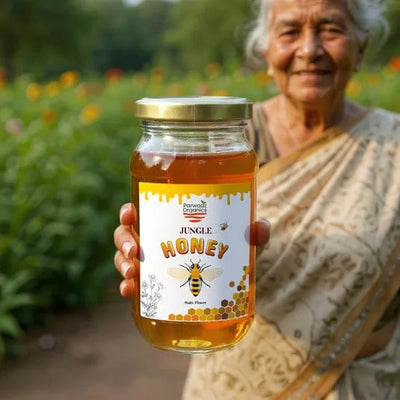
Natural antimicrobial properties help balance gut flora. A teaspoon of raw honey in warm water on an empty stomach is a traditional remedy that modern research validates for gut health.
A Simple Morning Routine
- Warm water with raw honey and a pinch of turmeric
- Breakfast with millet porridge or ragi dosa
- Cook with A2 ghee instead of refined oil
What to Eat and What to Avoid
| ✅ Include in Your Diet | ❌ Avoid or Reduce |
|---|---|
| A2 ghee (1 tbsp daily) | Refined vegetable oils |
| Home-set curd and buttermilk | Store-bought flavoured yogurt |
| Millets — ragi, jowar, bajra | Maida-based foods (bread, naan, biscuits) |
| Raw honey in warm water | Cold water during or after meals |
| Moringa powder or fresh leaves | Packaged and instant foods |
| Traditional pickles (in moderation) | Excessive caffeine (more than 2 cups) |
| Seasonal fruits and vegetables | Late-night heavy meals |
Frequently Asked Questions
Why do I feel bloated even when I eat healthy food?
Bloating isn't always about what you eat — it's often about when and how. Eating too fast, drinking water during meals, or eating fruit immediately after a meal can all cause bloating even with healthy food.
Is A2 ghee safe for people with acidity?
Yes — A2 ghee actually soothes the stomach lining. Unlike refined oils, it reduces inflammation rather than causing it. Start with ½ teaspoon and gradually increase.
How long does it take to improve digestion naturally?
Most people notice less bloating within 1–2 weeks of dietary changes. Full gut microbiome improvement takes 6–8 weeks of consistent habits.


What Should You Do Next?
Three simple next steps to put what you just read into practice.
New to Parwaaz?
Start with our Real Food Starter Ritual.
Made for families who want to begin preventive wellness with simple daily foods.