Why Your Blood Sugar Goes Out of Balance — And The Foods That Actually Help
Every claim in this article is backed by human Randomised Controlled Trials (RCTs) and peer-reviewed meta-analyses. No folk claims. No influencer opinions. Just science.
Why Blood Sugar Goes Out of Balance
You eat what you think is healthy. You skip desserts. Yet your fasting sugar creeps up. Your HbA1c is borderline. Your energy crashes after lunch. This is not because you are careless — it is because five forces work silently against your metabolic health.
Insulin resistance
Over years of refined carbs, cells stop responding to insulin. The pancreas overworks trying to compensate. This is the root driver of Type 2 diabetes.
Chronic inflammation
Repeated sugar spikes cause oxidative stress. Your immune system mounts a chronic inflammatory response — which then worsens insulin resistance. A loop.
Damaged gut microbiome
High-sugar diets destroy gut bacteria diversity. Harmful bacteria leak through the gut wall, triggering systemic inflammation and spiking blood sugar further.
Chronic stress and cortisol
Cortisol directly raises blood glucose by triggering the liver to produce new sugar, and by suppressing insulin effectiveness — daily, silently.
Refined carbohydrate trap
India's shift from millets and hand-pounded rice to maida and milled rice removed fibre, polyphenols, and low-GI carbs from the traditional plate.
Indian genetic risk
Indians develop Type 2 diabetes at a lower BMI and younger age than Western populations. A person who looks thin can have dangerous visceral fat and impaired insulin function.
Science-Backed Foods That Help
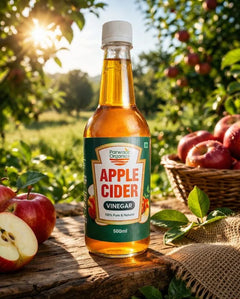
Jamun Vinegar
Research: A 2022 meta-analysis of 11 RCTs found vinegar produced significant reductions in fasting blood glucose (−9.36 mg/dL) and HbA1c (−0.67%). A 2025 GRADE-assessed meta-analysis on ACV in Type 2 diabetic patients (7 RCTs) found fasting blood sugar reduced by −21.93 mg/dL and HbA1c by −1.53%.
Mechanism: Acetic acid inhibits alpha-amylase, slowing carbohydrate breakdown. It increases glucose uptake by muscle cells independent of insulin. Jamun adds jamboline and anthocyanins — additional anti-diabetic phytochemicals.
How to use: 1–2 teaspoons diluted in a glass of water before your two main meals. Do not consume undiluted.
Stevia Drops
Research: A 2024 meta-analysis (26 studies, 1,439 participants) found stevia reduces blood glucose, particularly in individuals with higher BMI and those with diabetes.
Mechanism: Steviol glycosides have zero glycaemic index — they do not raise blood sugar at all, yet are 200–300x sweeter than sugar.
How to use: Replace sugar in chai, coffee, desserts, and sherbet entirely with stevia drops. One drop equals approximately one teaspoon of sugar.
Millets
Research: The largest systematic review on millets (65 studies, ~1,000 human subjects) found millets have a mean GI of 52.7, which is 36% lower than white rice. Long-term consumption lowered fasting blood glucose by 12% and post-meal blood glucose by 15% in diabetic subjects. In pre-diabetics, HbA1c dropped from 6.65% to 5.67%.
How to use: Replace white rice and wheat roti at least once a day. Cook millet khichdi, millet dosa, bajra roti, or ragi idli.
Organic Turmeric
Research: A 2022 meta-analysis of 17 RCTs found turmeric and curcuminoids lowered fasting blood glucose by −7.86 mg/dL, HbA1c by −0.38%, and HOMA-IR by −1.01.
How to use: Add generously to dal, sabzi, and milk daily. Always paired with a pinch of black pepper.
Your Daily Protocol
- Morning (empty stomach): 1–2 tsp Jamun Vinegar diluted in warm water. Wait 15–20 minutes before breakfast.
- Breakfast: Replace maida paratha with bajra or ragi roti. Add organic turmeric and black pepper to dal.
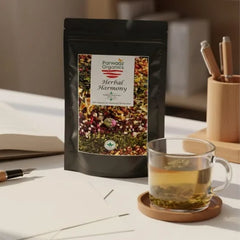
- Mid-morning: A cup of Herbal Green Tea — no sugar, or add a few drops of stevia.
- Lunch and dinner: Replace 50–100% of white rice with millet. Use turmeric generously in cooking.
- Evening: Green tea with stevia instead of sugar chai. Vinegar in water before dinner.
This article is for educational purposes only and does not constitute medical advice. Please consult your doctor before making changes to your diet, especially if you are on diabetes medication.

What Should You Do Next?
Three simple next steps to put what you just read into practice.
New to Parwaaz?
Start with our Real Food Starter Ritual.
Made for families who want to begin preventive wellness with simple daily foods.