Why Does Blood Sugar Spike After Meals? (Causes + Natural Solutions)
What Is Happening in Your Body
When you eat, your digestive system breaks down carbohydrates into glucose, which enters your bloodstream. Your pancreas then releases insulin to help cells absorb this glucose for energy. A blood sugar spike occurs when glucose rises too fast — above 140 mg/dL within an hour — overwhelming your insulin response.
Over time, repeated post-meal spikes contribute to insulin resistance, weight gain, chronic fatigue, and eventually Type 2 diabetes.
Blood sugar management is one of the most important aspects of preventive wellness for Indian families, given that India has over 100 million diabetics.
Symptoms of Blood Sugar Spikes
- Sudden fatigue or drowsiness 30–60 minutes after eating
- Intense sugar cravings shortly after a meal
- Brain fog and difficulty concentrating in the afternoon
- Increased thirst and frequent urination
- Mood swings and irritability after meals
- Feeling hungry again within 1–2 hours of eating
Common Causes
- Eating carbs first — starting a meal with rice or roti causes faster glucose absorption
- Liquid calories — fruit juices, sweetened chai, and sodas enter the bloodstream rapidly
- Low fibre intake — fibre slows glucose absorption; without it, sugar hits your blood fast
- Stress and poor sleep — cortisol raises baseline blood sugar levels independent of diet
- Skipping meals — leads to overeating and larger glucose loads in the next meal
Natural Solutions That Work
The Food Order Method
Research shows that eating vegetables and protein before carbohydrates can reduce glucose spikes by up to 40%. This simple reordering requires no dietary restriction:
- Start with salad, sabzi, or raw vegetables
- Follow with dal, paneer, eggs, or curd
- Finish with roti or rice
Supportive Superfoods
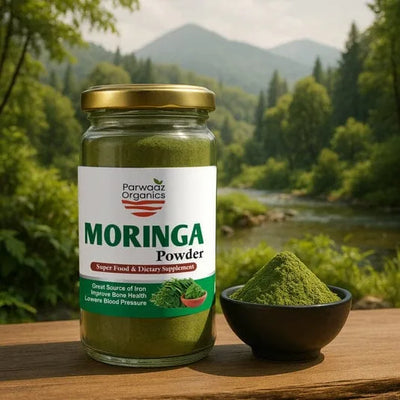
Moringa powder — studies show it can reduce post-meal glucose by 13–21% through improved insulin sensitivity.
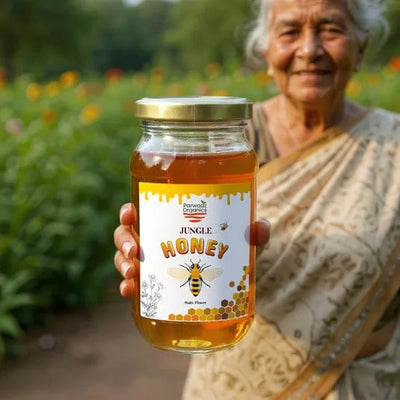
Raw honey (in small amounts) — has a lower glycemic impact than refined sugar and contains enzymes that support metabolic health.
Millets — low GI alternatives to white rice that provide slow-release energy.
A2 ghee — healthy fats slow carbohydrate absorption when added to meals.
Timing and Movement
A 10-minute walk after meals reduces blood sugar by 15–20%. Even standing and doing light household work helps.
What to Eat and What to Avoid
| ✅ Include in Your Diet | ❌ Avoid or Reduce |
|---|---|
| Vegetables and protein first in meals | Starting meals with rice or roti |
| Millets — ragi, jowar, bajra | White rice in large portions |
| Raw honey (1 tsp) instead of sugar | Refined white sugar in chai and sweets |
| Moringa powder (½ tsp daily) | Packaged fruit juices and sodas |
| A2 ghee with meals | Maida-based snacks and breads |
Frequently Asked Questions
Can I eat rice if I have high blood sugar?
Yes — the key is portion size and order. Eat vegetables and protein first, keep rice to one small portion, and consider replacing white rice with millets 3–4 times a week.
Is honey better than sugar for blood sugar?
Raw, unprocessed honey has a lower glycemic index than refined sugar and contains beneficial enzymes. However, moderation is key — 1 teaspoon at a time, not in hot beverages (which destroys enzymes).
How quickly can I see improvement in blood sugar levels?
With the food order method and regular post-meal walks, many people see noticeable improvements in fasting glucose within 2–3 weeks.


What Should You Do Next?
Three simple next steps to put what you just read into practice.
New to Parwaaz?
Start with our Real Food Starter Ritual.
Made for families who want to begin preventive wellness with simple daily foods.