Is Moringa Really a Superfood? (Benefits, Uses + Side Effects)
What Is Happening in Your Body
Moringa oleifera — known as drumstick tree, sahjan, or munaga — is one of the most nutrient-dense plants on earth. With over 2,000 published studies, modern science is confirming what Indian traditional medicine has known for centuries.
Your body requires over 40 essential nutrients daily to function optimally. Most Indian diets fall short on iron, B-vitamins, vitamin C, and antioxidants. Moringa addresses multiple nutritional gaps simultaneously.
Symptoms That Moringa Can Help With
- Chronic fatigue and low energy despite adequate sleep
- Frequent colds, infections, and slow recovery
- Elevated liver enzymes or early-stage fatty liver
- Post-meal blood sugar spikes and sugar cravings
- High blood pressure (mild to moderate)
- Skin dullness and premature ageing
- Brain fog and poor concentration
Why Moringa Works — The Science
- Liver Protection: High concentration of polyphenols and isothiocyanates reduces liver inflammation and fat accumulation. Studies show it can lower elevated liver enzymes.
- Blood Sugar Regulation: Research demonstrates moringa can reduce post-meal blood sugar by 13–21% through improved insulin sensitivity.
- Sustained Energy: Contains 25x more iron than spinach, B-vitamins, and antioxidants that combat fatigue at its nutritional root cause.
- Blood Pressure Support: Moringa's isothiocyanates promote nitric oxide production, relaxing blood vessels. Studies show consistent consumption can lower systolic BP by 5–10 mmHg.
- Immune Strength: With 7x more Vitamin C than oranges and significant zinc content, moringa supports both innate and adaptive immunity.
How to Use Moringa Daily
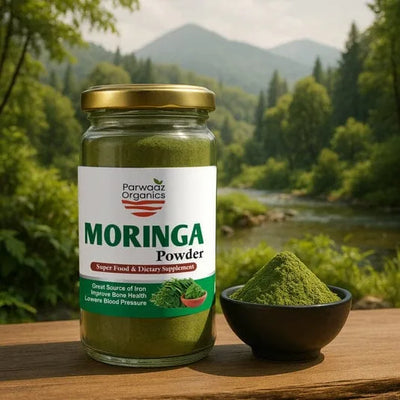
- Moringa powder: ½–1 teaspoon in warm water, smoothies, buttermilk, or mixed into dal
- Fresh leaves: Add to sambar, dal, stir-fry, or paratha stuffing
- Moringa tea: Steep dried leaves for a caffeine-free energy drink
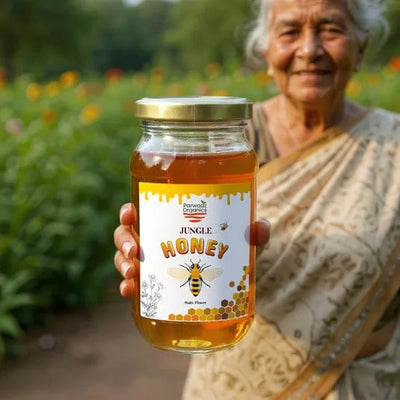
- With raw honey: Mix ½ tsp moringa powder with 1 tsp raw honey in warm water — an excellent morning wellness drink
Quality Checklist
- Look for shade-dried moringa — preserves nutrients better than sun-dried or machine-dried
- Choose single-origin from verified farms, not blended from unknown sources
- Check for lab testing — heavy metal contamination is a concern with poorly sourced moringa
- FSSAI certification is non-negotiable
- Colour should be vibrant green — brown or yellowish powder indicates poor quality
Frequently Asked Questions
Is moringa safe to take every day?
Yes — moringa has been consumed daily in Indian households for centuries. Start with ½ teaspoon daily and increase to 1 teaspoon after a week. Long-term daily use is safe for most adults.
Are there any side effects of moringa?
At recommended doses (½–1 tsp/day), side effects are rare. Some people experience mild digestive adjustment in the first few days. Pregnant women should consult their doctor before starting moringa.
When is the best time to take moringa?
Morning or early afternoon is ideal. Moringa provides a gentle energy lift, so taking it late evening may affect sleep in some people.

What Should You Do Next?
Three simple next steps to put what you just read into practice.
New to Parwaaz?
Start with our Real Food Starter Ritual.
Made for families who want to begin preventive wellness with simple daily foods.