
Turmeric Healing Guide
Curcumin: What the Research Actually Says Turmeric's active compound curcumin has been studied in over 3,000 peer-reviewed publications. The evidence is genuine and substantial — but there's a critical caveat...
Curcumin: What the Research Actually Says
Turmeric's active compound curcumin has been studied in over 3,000 peer-reviewed publications. The evidence is genuine and substantial — but there's a critical caveat that most discussions miss: curcumin has extremely poor bioavailability when consumed alone. Standard curcumin is absorbed in negligible quantities. The three ways to solve this are the ones used in traditional Indian cooking: fat, heat, and piperine (black pepper).
A landmark 1998 study in Planta Medica showed that piperine (from black pepper) increases curcumin bioavailability by 2,000% in humans — from essentially zero absorption to therapeutically relevant blood levels. This explains why traditional Indian cooking combines turmeric and black pepper in the same dish.
Source: Shoba et al., Planta Medica 1998.
Clinically Validated Uses
- Osteoarthritis pain — 3 RCTs show curcumin (500–2000mg/day) reduces joint pain scores comparably to ibuprofen, without GI side effects
- Inflammatory bowel disease — Crohn's and ulcerative colitis patients show measurable improvement with curcumin as an adjunct to standard care
- Liver enzyme normalisation — curcumin activates Nrf2, reducing oxidative burden on hepatocytes; SGPT/SGOT reduction documented in 8–12 weeks
- Depression (adjunct) — 5 RCTs show curcumin raises brain BDNF comparably to low-dose antidepressants in mild-moderate cases
- Blood lipids — meta-analysis of 7 RCTs shows significant reduction in LDL and triglycerides with consistent use
How to Use Turmeric for Maximum Effect
- In cooking with black pepper and fat — the classical Indian method; piperine + fat together give the highest bioavailability
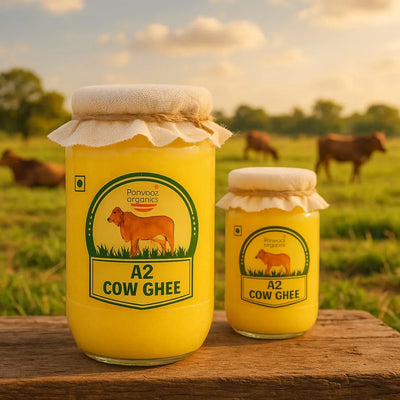
- Golden milk (haldi doodh) — ½ tsp turmeric + pinch black pepper + warm milk + a fat source (ghee or full-fat milk); the fat here is the delivery vehicle
- Turmeric rice or dal — traditional use; ghee added at the end provides the fat vehicle
How Much and How Often
The therapeutic dose in most RCTs is 500–2000mg of curcumin extract per day — which corresponds to roughly 2–4 teaspoons of high-curcumin turmeric powder (3–7% curcumin content). Daily cooking use at 1–2 tsp per meal, consistently over months, produces meaningful cumulative anti-inflammatory effects. The benefit is chronic and cumulative, not acute.
Shop This Topic


New to Parwaaz?
Start with our Real Food Starter Ritual.
Made for families who want to begin preventive wellness with simple daily foods.
Continue Exploring