
Liver Friendly Eating
Why Eating for Liver Health Is Simpler Than You Think The liver processes everything you eat — every nutrient absorbed from the gut travels to the liver via the portal...
Why Eating for Liver Health Is Simpler Than You Think
The liver processes everything you eat — every nutrient absorbed from the gut travels to the liver via the portal vein before reaching the rest of the body. Liver-friendly eating is not about a special diet; it is about removing the burden and supplying the specific nutrients the liver uses for its detoxification and regeneration functions.
The Foods That Most Burden the Liver
- Fructose (added) — metabolised exclusively in the liver; high fructose intake directly causes non-alcoholic fatty liver disease (NAFLD). Fructose from whole fruit is safe because the fibre slows absorption. Fructose from HFCS, packaged juices, and sweets is the problem.
- Refined seed oils — sunflower, soybean, and corn oil oxidise during heating, producing lipid peroxides that damage hepatocytes
- Alcohol — even moderate drinking (1–2 units/day) significantly impairs liver recovery in those with existing fatty liver
- Excess protein powders/supplements — the liver processes nitrogen from protein breakdown; high protein supplementation without clinical need adds to this burden
The Foods That Actively Support the Liver
- Cruciferous vegetables (broccoli, cabbage, cauliflower, radish) — sulforaphane activates Phase II liver detoxification enzymes
- Garlic and onion — allicin and sulphur compounds are essential for glutathione production (the liver's primary antioxidant)
- Beets — betaine prevents fat accumulation in the liver; demonstrated in RCTs for NAFLD
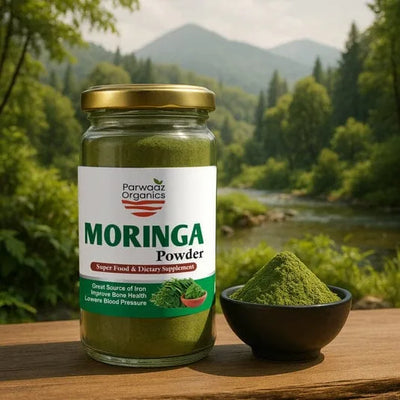
- Moringa — isothiocyanates activate Nrf2, the liver's master antioxidant pathway
- Jamun vinegar — reduces liver fat markers and improves hepatic insulin sensitivity in human trials
- Turmeric — curcumin reduces liver inflammation and supports hepatocyte regeneration
A 2017 RCT in Gut found that a diet high in cruciferous vegetables and allium vegetables (garlic, onion) for 12 weeks reduced liver fat content by 15% on MRI in subjects with NAFLD, without any caloric restriction. The researchers attributed the effect to sulphur-compound-driven Phase II detoxification enhancement.
A Liver-Friendly Day of Eating
- Morning — warm water with jamun vinegar; breakfast with eggs and onion (sulphur for glutathione)
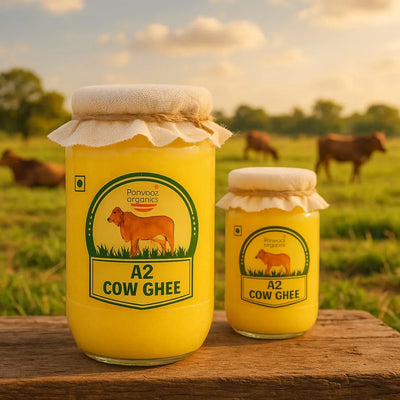
- Lunch — dal with garlic tadka, two vegetable preparations, millet or brown rice, small amount of A2 ghee
- Evening — turmeric milk or moringa tea
- Dinner — light; vegetable soup, dal, leafy greens. Finish by 7:30–8pm to allow overnight liver processing without incoming food burden
Shop This Topic


New to Parwaaz?
Start with our Real Food Starter Ritual.
Made for families who want to begin preventive wellness with simple daily foods.
Continue Exploring