
Build Strong Immunity with Food
What "Immunity" Actually Means The immune system is not a single organ — it is a complex network of cells, proteins, and signalling molecules distributed throughout the body. "Boosting immunity"...
What "Immunity" Actually Means
The immune system is not a single organ — it is a complex network of cells, proteins, and signalling molecules distributed throughout the body. "Boosting immunity" is a marketing phrase; what actually works is supporting the immune system's two arms: the innate immune system (immediate, non-specific response) and the adaptive immune system (targeted, memory-based response). Both require specific nutrients.
Critical Nutrients for Immune Function
- Vitamin C — required for neutrophil (immune cell) production and function; humans cannot synthesise it. 75–200mg/day from food (amla, capsicum, citrus, moringa) is the optimal range for immune support.
- Zinc — essential for thymic function (T-cell maturation); deficiency is the most common cause of impaired adaptive immunity. Seeds, legumes, and red meat are primary sources.
- Vitamin D — acts as a hormone regulating 200+ immune genes; 70–80% of urban Indians are deficient. 15–20 minutes of direct sunlight on skin daily is the natural source; supplementation at 2000–4000 IU/day has strong evidence for immune benefit.
- Iron — required for myeloperoxidase, a key neutrophil enzyme; but excess iron feeds pathogens. Food sources (moringa, ragi, beans) provide regulated amounts; supplementation requires clinical guidance.
A 2021 systematic review in Nutrients found that ashwagandha (Withania somnifera) significantly increased NK cell activity, improved CD4+ T-cell counts, and reduced cortisol — all validated immune-supportive effects — across 5 independent RCTs. The proposed mechanism is cortisol reduction (cortisol suppresses immune function), not direct immune stimulation.
The Gut-Immunity Connection
70% of the immune system is located in and around the gut (gut-associated lymphoid tissue — GALT). The gut microbiome directly regulates immune cell education and cytokine signalling. A diverse gut microbiome produces short-chain fatty acids that stimulate regulatory T-cells, reducing the risk of both infections and autoimmune overreaction. Daily curd, diverse fibre intake, and fermented foods are the primary tools.
A Daily Immunity-Support Routine
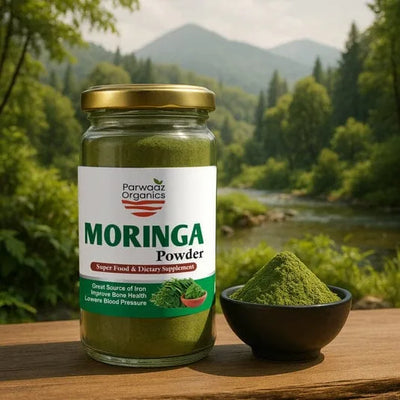
- Morning: moringa powder in warm water (Vitamin C, zinc, iron)
- With meals: turmeric + black pepper in cooking (anti-inflammatory, Nrf2 activation)
- Evening: tulsi tea or shilajit (adaptogenic; cortisol reduction)
- Daily: 1–2 cups full-fat dahi (gut microbiome support)
- Daily: 15–20 minutes direct sunlight (Vitamin D synthesis)
Shop This Topic


New to Parwaaz?
Start with our Real Food Starter Ritual.
Made for families who want to begin preventive wellness with simple daily foods.
Continue Exploring