
Simple Morning Wellness Routine
Why Morning Habits Have Outsized Impact The first 60–90 minutes of the day set the hormonal and metabolic context for everything that follows. Cortisol peaks within 30–45 minutes of waking...
Why Morning Habits Have Outsized Impact
The first 60–90 minutes of the day set the hormonal and metabolic context for everything that follows. Cortisol peaks within 30–45 minutes of waking (the cortisol awakening response — CAR); insulin sensitivity is at its highest in the morning; and the digestive system is primed for maximum nutrient absorption after its overnight fast. A structured morning routine exploits all three.
A Research-Informed Morning Sequence
On Waking: Hydration Before Anything Else
Drink 400–600ml of water before chai, coffee, or food. After 7–8 hours without fluid intake, cellular dehydration affects cognitive function, liver processing, and kidney clearance. Add a pinch of rock salt (not table salt) for electrolyte balance, or use jamun vinegar in warm water (1 tsp in 150ml) to stimulate bile production — the liver's primary elimination pathway.
10–15 Minutes: Brief Sunlight Exposure
Stand outdoors or near a window for natural light exposure. This resets the circadian pacemaker (suprachiasmatic nucleus), advances melatonin clearance, and initiates Vitamin D synthesis. A 2021 meta-analysis confirmed morning light exposure improves sleep quality that same night — the circadian system works backwards in this way.
Breakfast: Protein and Fat First, Carbohydrates Second
- Prioritise eggs, besan chilla, dahi, or leftover dal over bread and cereal
- Protein + fat at breakfast reduces mid-morning cortisol spikes and prevents the 11am energy crash
- Add a sulphur-rich food (eggs, garlic, onion) — critical for Phase II liver detoxification
A 2013 study in the American Journal of Clinical Nutrition found that a high-protein breakfast (35g protein) reduced caloric intake across the rest of the day by 441 calories on average — primarily by suppressing ghrelin (hunger hormone) and stabilising glucose through the afternoon.
Mid-Morning: Turmeric or Moringa
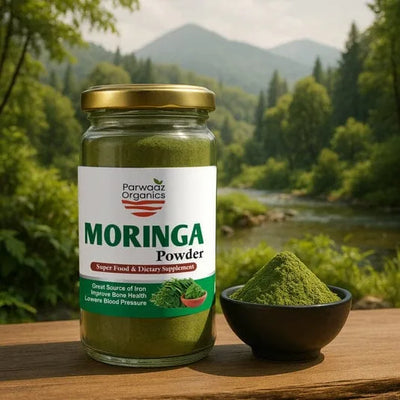
½ tsp turmeric in warm water with raw honey, or 1 tsp moringa powder in warm water. Both have maximum hepatoprotective effect when consumed before significant food load. This window — 90 minutes post-breakfast — is when liver antioxidant activity peaks in fasted-then-fed subjects.
What to Avoid in the Morning
- Chai on an empty stomach — the tannins bind iron and zinc, reducing absorption of both. Drink after, not before, breakfast.
- Packaged cereals or white bread — the rapid glucose spike creates an insulin response that crashes energy by mid-morning
- Excessive phone use immediately on waking — not a nutritional issue but documented to spike cortisol and disrupt the CAR pattern that sets stress levels for the day
Shop This Topic


New to Parwaaz?
Start with our Real Food Starter Ritual.
Made for families who want to begin preventive wellness with simple daily foods.


Continue Exploring