
How to Improve Digestion Naturally
Understanding What Causes Poor Digestion Most digestive complaints — bloating, constipation, acid reflux, irregular stools, heaviness after meals — have identifiable nutritional root causes. The most common are: insufficient digestive...
Understanding What Causes Poor Digestion
Most digestive complaints — bloating, constipation, acid reflux, irregular stools, heaviness after meals — have identifiable nutritional root causes. The most common are: insufficient digestive enzyme production, low fibre diversity, gut microbiome imbalance, and eating patterns that overwhelm digestive capacity. Treating symptoms (antacids, laxatives) without addressing these causes produces dependency without resolution.
The Foods That Restore Digestive Function
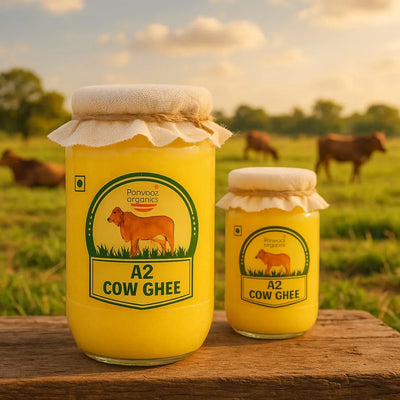
- A2 ghee — butyric acid (the primary short-chain fatty acid in ghee) is the primary fuel source for colonocytes, the cells that line the colon. Consistent butyric acid intake repairs intestinal permeability and reduces IBD symptoms.
- Jamun vinegar — acetic acid stimulates hydrochloric acid production in the stomach; most acid reflux is actually caused by insufficient stomach acid, not excess.
- Whole curd (dahi) — live cultures of Lactobacillus bulgaricus and Streptococcus thermophilus; proven to reduce antibiotic-associated diarrhoea and IBS symptoms.
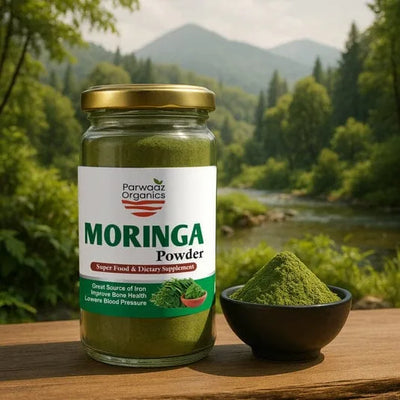
- Moringa — isothiocyanates reduce gut inflammation; the soluble fibre feeds beneficial bacteria.
- Ginger — gingerol accelerates gastric emptying by 25–50% in RCTs; most useful for post-meal heaviness and nausea.
A 2020 meta-analysis of 14 RCTs found that a whole-food, high-fibre diet improved IBS symptoms, gut microbiome diversity, and intestinal permeability markers — effects not replicated by isolated fibre supplements. The diversity of fibre types, not the total amount, appears to be the critical variable.
Eating Habits That Matter as Much as Food Choice
- Chew thoroughly — amylase (the starch-digesting enzyme) is only in saliva; swallowing large food particles forces the stomach to compensate with more acid
- Eat without screens — the parasympathetic nervous system must be active for full digestive enzyme secretion; stress (sympathetic activation) measurably reduces digestive capacity
- Largest meal at midday — digestive enzyme activity peaks around noon; the same food is processed more efficiently at lunch than at 9pm
- Do not drink large volumes of water with meals — dilutes stomach acid and digestive enzymes; sip small amounts if needed, drink water 30 minutes before or 60 minutes after meals
Shop This Topic


New to Parwaaz?
Start with our Real Food Starter Ritual.
Made for families who want to begin preventive wellness with simple daily foods.
Continue Exploring