
Healthy Tea Time Habits
The Indian Chai Problem (and the Solution) The average Indian tea drinker consumes 3–5 cups of milk chai per day, often with 1–2 tsp of sugar per cup. This adds...
The Indian Chai Problem (and the Solution)
The average Indian tea drinker consumes 3–5 cups of milk chai per day, often with 1–2 tsp of sugar per cup. This adds up to 150–500 calories of daily sugar before any food is counted, and the tannins in black tea reduce iron and zinc absorption by 50–70% when consumed with or immediately after meals. This does not mean giving up chai — it means drinking it smarter.
Simple Adjustments That Make a Real Difference
- Wait 45–60 minutes after meals before chai — lets the tannin window pass, preserving mineral absorption from your meal
- Reduce sugar by half first, then gradually to zero — the palate adapts within 2–3 weeks if done gradually
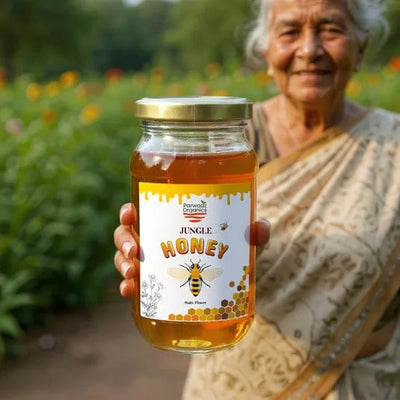
- Use raw honey instead of sugar in warm (not boiling) tea — lower glycaemic index, adds antioxidants rather than depleting them
- Add half a cup of water to one cup of milk — reduces caloric density while maintaining the flavour profile you're used to
Teas That Add Nutritional Value
- Tulsi (Holy Basil) — adaptogenic; reduces cortisol, supports immune function. 2–3 cups per day shows measurable anxiety reduction in RCTs.
- Ginger chai — gingerol reduces nausea, improves gastric motility, and has anti-inflammatory properties comparable to ibuprofen at 2g/day doses
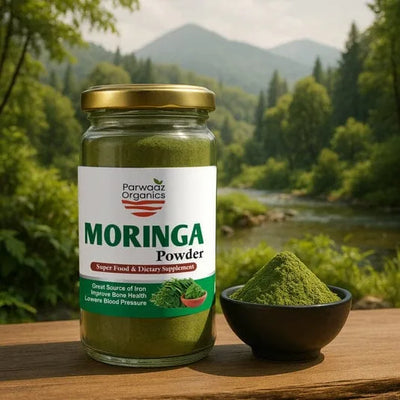
- Moringa tea — nutritionally superior to any herbal tea; anti-inflammatory, liver-protective
- Chamomile — apigenin binds GABA-A receptors; most evidence-backed herbal sleep support available
- Green tea — EGCG (epigallocatechin gallate) is one of the most studied antioxidant compounds; 3+ cups per day associated with 25–44% lower liver disease risk in prospective studies
A 2019 meta-analysis of 29 studies found green tea consumption of 3–5 cups per day was associated with a 28% reduction in all-cause cardiovascular mortality. The researchers noted that the effect was dose-dependent and most pronounced in populations with high baseline tea consumption — consistent with Indian and East Asian dietary patterns.
Timing Your Teas for Maximum Effect
- Morning — after breakfast, not before; prevents tannin interference with mineral absorption from the meal
- Afternoon (3–4pm) — green tea or tulsi; the natural afternoon cortisol dip benefits from adaptogens
- Evening (8–9pm) — chamomile, tulsi, or moringa; never green tea after 4pm (caffeine half-life is 5–6 hours)
Shop This Topic


New to Parwaaz?
Start with our Real Food Starter Ritual.
Made for families who want to begin preventive wellness with simple daily foods.

Continue Exploring