
Balance Sugar Levels Naturally
The Blood Sugar Problem in India India has over 101 million diabetics and an estimated 136 million pre-diabetics — the highest absolute numbers in the world. The dietary drivers are...
The Blood Sugar Problem in India
India has over 101 million diabetics and an estimated 136 million pre-diabetics — the highest absolute numbers in the world. The dietary drivers are well-identified: high refined carbohydrate intake (maida, polished white rice, packaged snacks), low fibre, excess fructose from commercial sugar and packaged juices, and insufficient protein at most meals. These are all modifiable.
How Blood Sugar Works (and Why It Gets Dysregulated)
Every time you eat carbohydrates, they are broken down to glucose, which enters the bloodstream. The pancreas releases insulin to move glucose into cells. When this happens too rapidly (from refined carbs), the spike demands rapid insulin release — and over time, cells become less responsive to insulin (insulin resistance). The pancreas compensates by producing more insulin, which drives fat storage, inflammation, and eventually exhaustion of beta cells.
Foods That Naturally Reduce Glucose Spikes
- Jamun vinegar — acetic acid slows gastric emptying and inhibits alpha-glucosidase; reduces post-meal glucose by 20–35% in RCTs
- Turmeric — curcumin activates PPAR-gamma, improving cellular insulin sensitivity; comparable to some oral hypoglycaemic agents in pre-diabetics
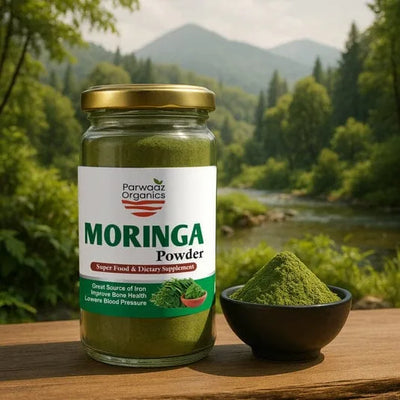
- Moringa — chlorogenic acid and isothiocyanate MIC inhibit alpha-glucosidase and glucose transport; 28% fasting glucose reduction in 8-week RCT
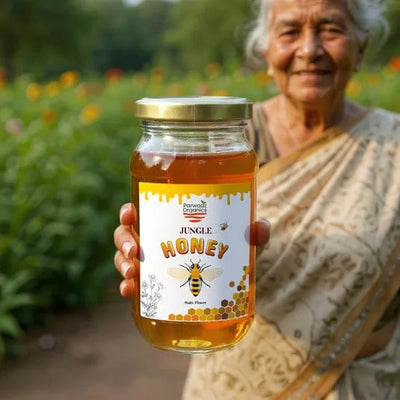
- Raw honey (small amount) — paradoxically lower glycaemic impact than sugar despite similar caloric density; polyphenols slow intestinal glucose absorption
- Millet rotis instead of wheat or rice — foxtail millet GI of 50–54 vs white rice GI of 70+
A 2019 Indian study in the Journal of Ethnopharmacology found that jamun vinegar supplementation (15ml per day for 12 weeks) reduced fasting blood glucose by 12%, HbA1c by 0.6%, and post-meal glucose by 21% in pre-diabetic subjects — without any dietary restriction or medication.
Lifestyle Factors With Equal Impact
- Walk for 10 minutes after meals — post-meal walking reduces glucose spikes by 12–25%; muscle contraction drives glucose uptake independent of insulin
- Eat protein before carbohydrates — eating dal or curd before rice measurably reduces the glycaemic response to the same meal
- Finish dinner by 7:30–8pm — evening insulin sensitivity is lower; late eating causes glucose to remain elevated longer
Shop This Topic



New to Parwaaz?
Start with our Real Food Starter Ritual.
Made for families who want to begin preventive wellness with simple daily foods.
Continue Exploring