
What is Preventive Nutrition
Preventive Nutrition vs Reactive Medicine Modern medicine excels at managing disease after it has developed. Preventive nutrition works upstream — providing the specific micronutrient, phytonutrient, and macronutrient environment that prevents...
Preventive Nutrition vs Reactive Medicine
Modern medicine excels at managing disease after it has developed. Preventive nutrition works upstream — providing the specific micronutrient, phytonutrient, and macronutrient environment that prevents disease from developing in the first place. Most chronic diseases diagnosed in middle age — type 2 diabetes, fatty liver, hypertension, metabolic syndrome — develop over 10–20 years of nutritional insufficiency before they become clinically diagnosable.
The Concept of Nutritional Debt
Every function in your body requires specific micronutrients. When those micronutrients are consistently deficient, the body prioritises immediate survival functions over long-term maintenance. The shortfall accumulates silently until enough cellular damage has occurred to produce symptoms.
- Magnesium deficiency — involved in 300+ enzymatic reactions; deficiency accumulates for years before manifesting as muscle cramps, poor sleep, and insulin resistance
- Vitamin D deficiency — required for immune regulation, calcium metabolism, and mood regulation; 70–80% of urban Indians are deficient
- Omega-3 deficiency — chronic low DHA/EPA from refined seed oil dominance; drives systemic inflammation over decades
The Global Burden of Disease study (2019) estimated that 22% of all deaths globally are attributable to dietary risks — more than tobacco. In India, dietary risk factors contributed to the largest share of premature cardiovascular deaths. The top three dietary risks were: insufficient whole grains, excess sodium, and insufficient fruits and vegetables.
What Preventive Nutrition Actually Looks Like
It is not exotic supplements or restrictive diets. It is daily, consistent provision of what the body uses:
- Colour variety — 5+ colours of vegetables and fruits daily; each colour corresponds to different phytonutrient families
- Adequate protein — 0.8–1.2g per kg body weight for sedentary adults; the vast majority of Indians eat below this
- Whole fats, not refined fats — A2 ghee, cold-pressed oils, nuts, seeds — replacing refined seed oils
- Fibre from food, not supplements — the gut microbiome requires diverse plant fibres that supplements do not replicate
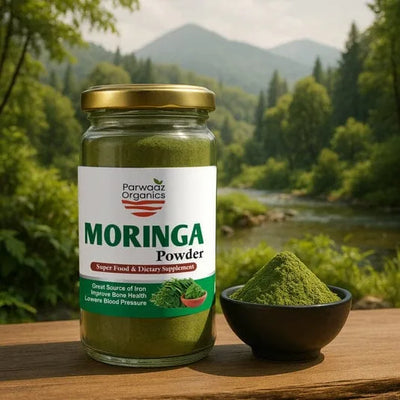
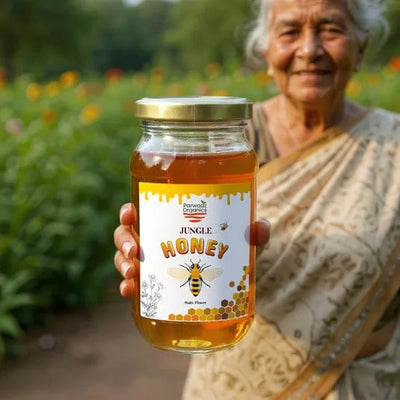
- Functional foods — turmeric, moringa, raw honey, jamun vinegar — foods with documented pharmacological activity beyond basic nutrition
Shop This Topic


New to Parwaaz?
Start with our Real Food Starter Ritual.
Made for families who want to begin preventive wellness with simple daily foods.

Continue Exploring