
Moringa Nutritional Research
The Research Base for Moringa Moringa oleifera has been studied in over 1,300 peer-reviewed publications. It is one of the most researched plants in nutritional science, partly because of its...
The Research Base for Moringa
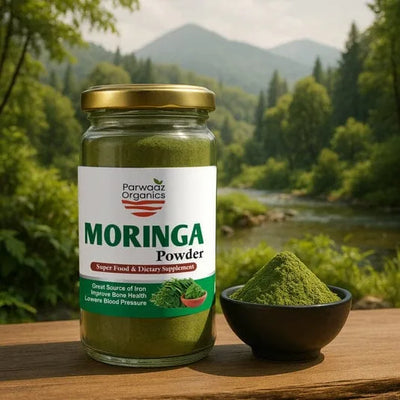
Moringa oleifera has been studied in over 1,300 peer-reviewed publications. It is one of the most researched plants in nutritional science, partly because of its significance in addressing malnutrition in tropical regions, and partly because its mechanisms of action are exceptionally well-characterised at the molecular level.
Documented Phytonutrients
Moringa leaves contain over 90 nutrients and 46 antioxidants. The most clinically significant are:
- Isothiocyanates (ITC) — particularly moringin (4-(α-L-rhamnosyloxy)benzyl isothiocyanate). ITCs activate the Nrf2-ARE pathway, the cell's master antioxidant response. This is the same pathway activated by sulforaphane in broccoli, but at higher concentrations in moringa.
- Quercetin — one of the most studied flavonoids; inhibits histamine release (anti-allergic) and reduces systemic inflammation via NF-κB inhibition
- Chlorogenic acid — slows post-meal glucose absorption; the same compound studied in green coffee bean extract
- Zeatin — a plant cytokinin; moringa contains unusually high amounts, which are associated with anti-ageing activity in cell studies
A 2019 meta-analysis of 9 RCTs (Journal of Ethnopharmacology) found moringa supplementation produced statistically significant reductions in fasting blood glucose (−1.01 mmol/L), total cholesterol (−0.93 mmol/L), and systolic blood pressure (−3.2 mmHg) compared to placebo.
Source: Meta-analysis, Journal of Ethnopharmacology 2019.
Iron and Anaemia Research
Iron deficiency anaemia affects over 50% of Indian women. Moringa's iron content (28mg per 100g dry weight) is roughly 2x that of spinach, and its vitamin C content (220mg per 100g) dramatically enhances non-haem iron absorption. A 2014 RCT in Filipino schoolchildren showed moringa supplementation over 60 days raised haemoglobin by 0.9g/dL — comparable to iron supplement groups without the constipation.
Liver Protection Studies
Multiple animal studies and two human pilot trials show moringa reduces ALT and AST (liver enzymes) in subjects with elevated baseline values. The mechanism is Nrf2 upregulation, which increases the liver's own glutathione production — the primary hepatoprotective pathway.
Shop This Topic

New to Parwaaz?
Start with our Real Food Starter Ritual.
Made for families who want to begin preventive wellness with simple daily foods.
Continue Exploring