
How to Start Eating Clean in India
What "Eating Clean" Actually Means "Clean eating" is overused and under-defined. In the Indian dietary context, it means one specific thing: eating food in a form as close to its...
What "Eating Clean" Actually Means
"Clean eating" is overused and under-defined. In the Indian dietary context, it means one specific thing: eating food in a form as close to its natural state as possible, prepared at home or by a trusted source, with minimal industrial processing. It does not mean giving up dal-chawal or eating expensive imported superfoods. The cleanest diet in the world can be built entirely from Indian staples.
The Simplest Framework
Ask one question about every food: how many steps has this food taken from its natural form to my plate? The fewer steps, the better.
- 0 steps — fresh vegetable, whole fruit, egg, raw nut = eat freely
- 1–2 steps — dal (dried then cooked), curd (milk fermented), roti from whole grain flour = eat as staples
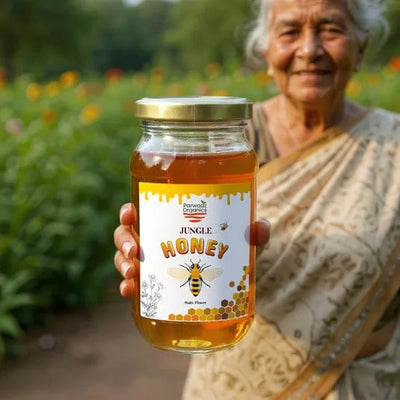
- 3–5 steps — A2 ghee (churned, cooked), cold-pressed oil (pressed, filtered), raw honey (extracted, strained) = use regularly
- 5+ steps — packaged biscuits, commercial bread, instant noodles, flavoured yogurt = limit significantly
What to Remove First
- Refined seed oils — replace with A2 ghee or cold-pressed groundnut/coconut/mustard oil. This is the highest-impact single change.
- Packaged snacks — biscuits, chips, namkeen. Replace with roasted chana, makhana, nuts, fruit.
- Commercial fruit juice — replace with the whole fruit; if you want a drink, dilute with water and eat the pulp.
- White bread and maida-based items — replace with jowar/bajra roti, whole wheat, or rice with dal.
The traditional Indian thali — dal, two sabzis, a whole grain roti or rice, curd, and a pickle — is one of the most nutritionally complete meals in the world when made with quality ingredients. The problem is not Indian food. It is the substitution of refined industrial products into a food system that originally did not contain them.
Building It Gradually
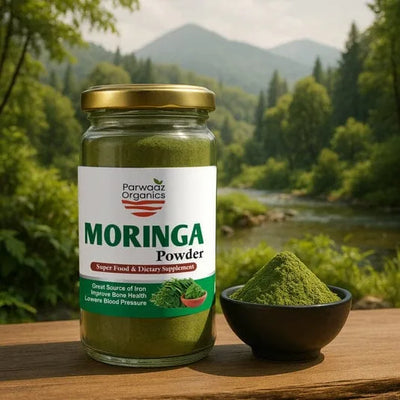
Week 1: replace cooking oil with ghee or cold-pressed oil. Week 2: add one functional food daily (moringa, turmeric, jamun vinegar). Week 3: move snacks to whole foods. Week 4: adjust meal timing (lunch largest, dinner lightest, finish by 8pm). After 4 weeks, these are habits — the effort cost drops to near zero. The cumulative health effect compounds over months and years.
Shop This Topic


New to Parwaaz?
Start with our Real Food Starter Ritual.
Made for families who want to begin preventive wellness with simple daily foods.

Continue Exploring